































How Reliable Are Counterfeit Detector Pens?
Learn how counterfeit detector pens actually work, their limitations, and when it’s worth upgrading to electronic verification tools.

Detection
Counterfeit detector pens have been used for decades as a quick way to check cash authenticity. But as fake bills become more sophisticated, their effectiveness is increasingly debated.
How They Work
Detector pens react with the starch in paper. Since genuine U.S. currency uses starch-free paper, a yellow or clear mark indicates a valid bill, while a dark mark suggests counterfeit material.
Limitations
Modern counterfeiters can bypass pen detection easily by printing on bleached genuine bills or using starch-free paper. Relying solely on pens can lead to missed fakes.
Best Practices
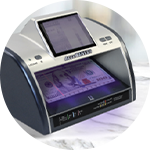
Use detector pens alongside UV or MG (magnetic) counterfeit detectors for layered protection. Combining detection methods significantly increases accuracy and reduces loss risk.
Related Articles
Explore more resources from the BankSupplies Resource Center.
Can Your Currency Counter Detect Fake Money?
Learn about the counterfeit detection features in modern currency counters and how they safeguard your business.
Read Article
Does a Cheaper Currency Counter Mean Lower Quality?
Understanding price vs. performance in currency counters.
Read Article
Banks and Credit Unions Supplies List
Comprehensive catalog of essential supplies and equipment for banking operations.
View PDF